

Togo’s vibrant art ecosystem has been quietly evolving into a cultural force in West Africa. From new, vital institutions to visionary contemporary artists, art in Togo’s cultural renaissance is now attracting attention from collectors seeking fresh perspectives and perhaps on early start on what may be long-term value. In this article , we explore the key spaces, the artists shaping today’s scene, and the opportunities this dynamic market presents for art collectors. As you map and manage your collection with tools like Capital Art’s collection management software, understanding emerging hubs like Togo will enrich your strategic insights and portfolio diversity.
The Pillars of Art in Togo’s Cultural Renaissance
Palais de Lomé — A Historic Hub for Contemporary Creativity
The Palais de Lomé stands out as a cornerstone of contemporary art in Togo’s cultural renaissance. Once a colonial governor’s residence and later the presidential palace, this monumental building and its beach-front location were restored and opened as a contemporary arts institution in 2019. Its mission is to reclaim space for Afro-centric creative discourse and foster dialogue between Togolese and pan-African artists. The restoration of the Palais de Lomé won the AFEX prize of architecture and was exhibited at the Venice Biennale of architecture in 2021.
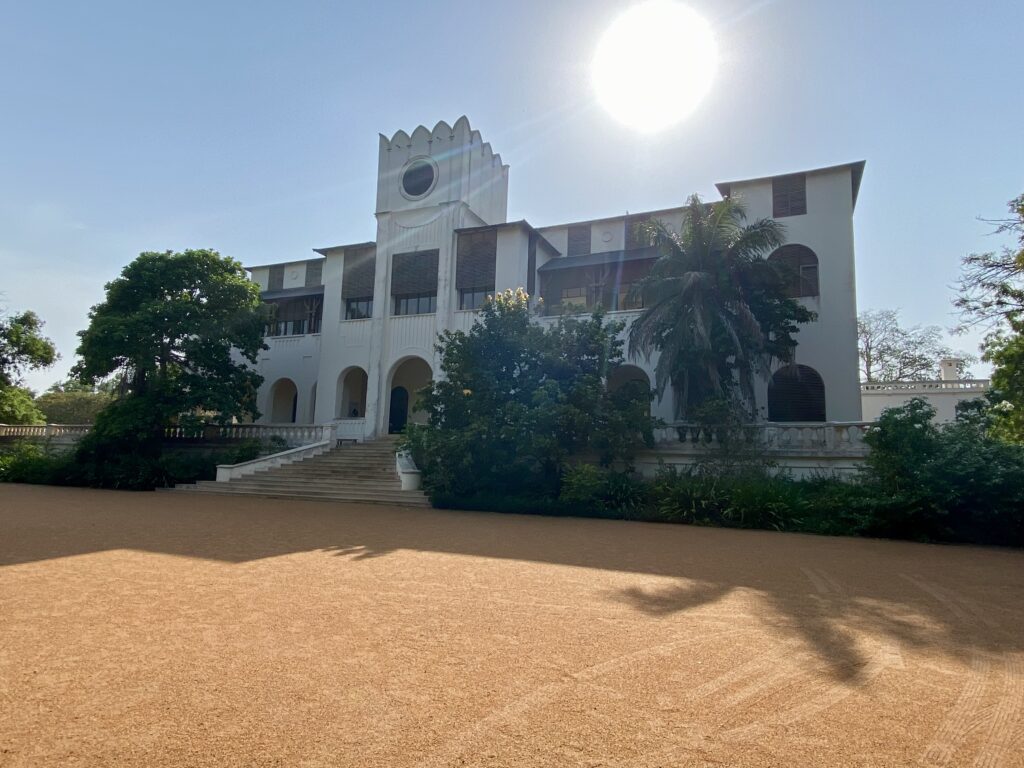
The museum’s founding and current director is Sonia Lawson who previously worked in management consulting in Europe and in international brand management at large multinational consumer goods corporations. She speaks with great excitement of what the museum has achieved, including the inclusion of children in the programme to inspire the next generation of artists, collectors and patrons. She also highlights how the property, with its expansive garden which is dotted with large-scale sculptures, is an oasis for birds, as one of the few green spaces currently in the bustling capital city.

And next on Lawson’s sights is greater integration into the art calendar for more collectors to have exposure to the art and artists in Togo. Lawson’s work earned her a place in the inaugural cohort of the Yale Directors Forum, a fellowship programme for trailblazers and change agents who are building museums, cultural centers, libraries, archives and organisations that play an important role in stewarding cultural heritage for present and future generations.
Institution-building through remarkable exhibitions
History-making exhibitions — such as the ongoing “Design in West Africa: Unity in Multiplicity” which ends in mid-March 2026 — feature the works of creatives from across west Africa and highlight design as a vital part of cultural conversation. It is the first ever design exhibition of west African design objects and we certainly hope this exhibition will travel!


Another exhibition, “Lomé: Portraits of a City”, outlines the city through various exhibits such as photography, music and their vibrant album covers, as well as paintings and textiles. A highlight was learning about entrepreneurial women trading in textiles. They dominated the distribution of Dutch wax prints, and made such fortunes that they were the first to import Mercedes Benzes to Togo and therefore called Nana Benz. The story bore a striking resemblance to another such story of a prolific entrepreneur from Lagos nicknamed Sea Never Dry, which was covered in an exhibition shown during ART X Lagos 2025.
For collectors, the Palais de Lomé is not just a venue but a reflection of broader regional trends where design and visual practice intersect with institutional support and historical context — a fertile ground for future investment and discovery.

Agnassan Foundation – Paul Ahyi Museum: Legacy Meets Contemporary Discourse
The Agnassan Foundation Paul Ahyi Museum honours one of Togo’s most influential pioneering figures, Paul Ahyi — the artist behind the Togolese flag and many public art landmarks. The museum’s reopening in 2024 with refreshed permanent displays further cements its role in celebrating both legacy and ongoing Art in Togo’s cultural renaissance.
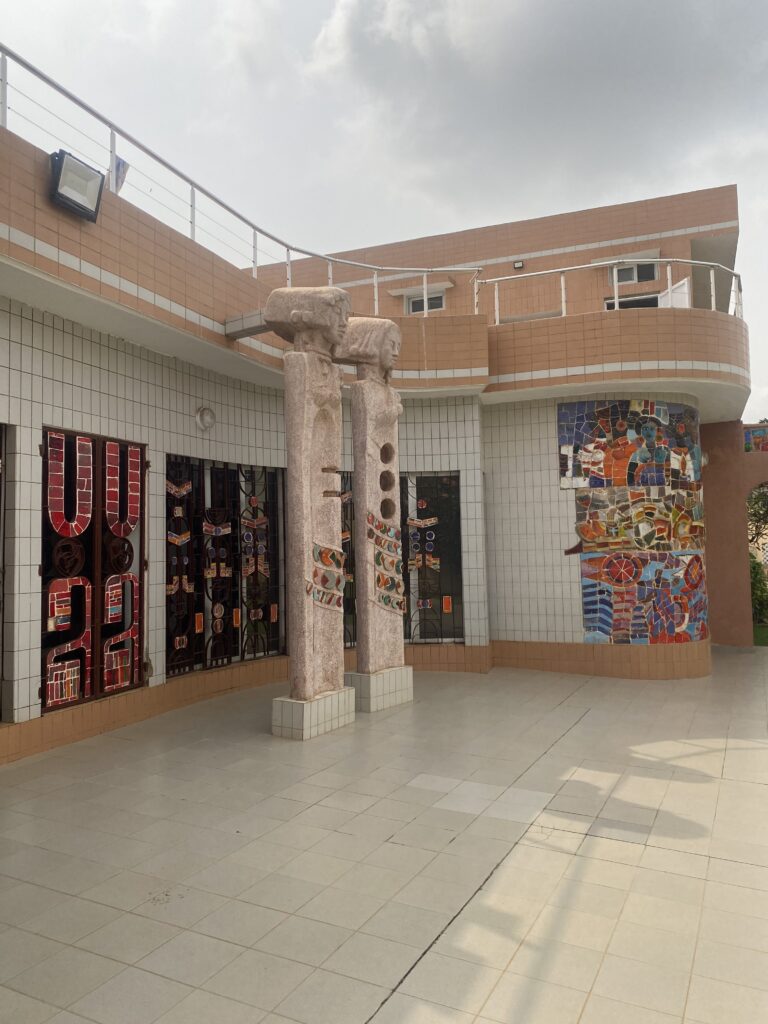

The museum displays many artworks for Ahyi’s partners personal collection, as well as works which give a sense of the remarkable contribution to various buildings in Togo Ahyi made, such as the reliefs on Hôtel Sarakawa. An interesting aspect of Ahyi’s practice was also the use of pyrographic art, which many contemporary artists in many other countries use too. One of Ahyi’s sculptures also featured in the aforementioned “Design in West Africa: Unity in Multiplicity” exhibition at Palais de Lomé.
For collectors interested in historically resonant works that anchor modern practice to its roots, the Paul Ahyi Museum offers compelling narrative continuity, blending heritage with contemporary curatorial vision.
LesChangeurs Cultural Centre (Agbodrafo) — Community and Creative Exchange
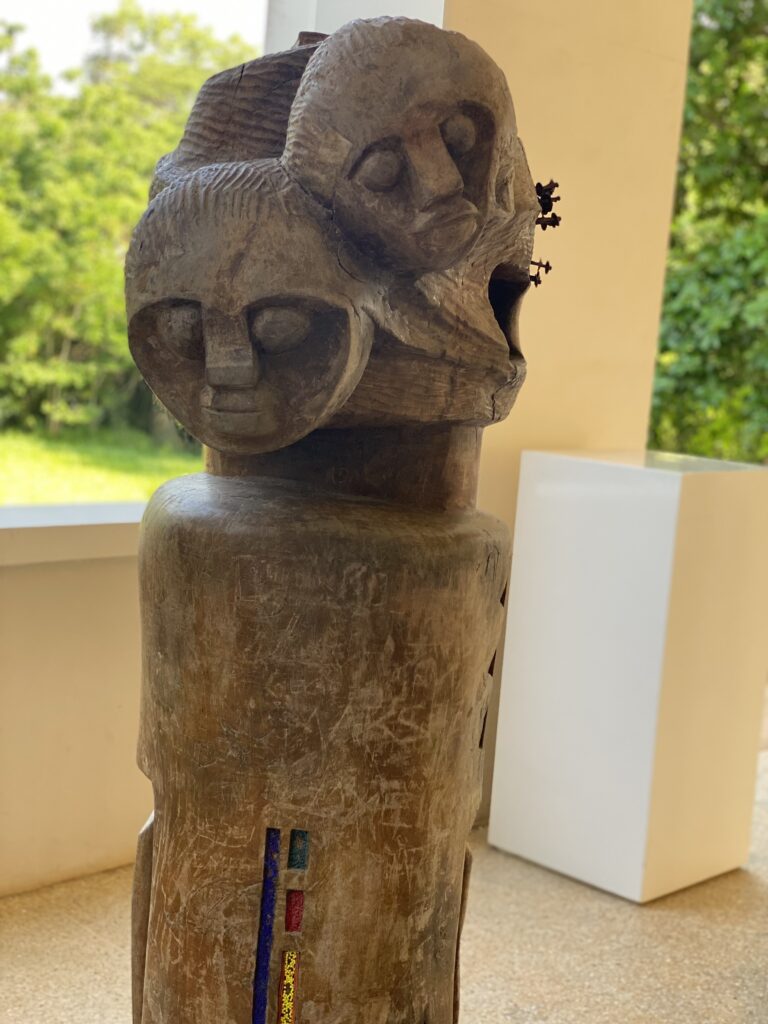
While less documented internationally, community-driven spaces such as the LesChangeurs Cultural Centre in Agbodrafo play a vital role in nurturing emerging practice and dialogue. One of its co-founders is musician Yao Bobby.
The centre acts as a hub for various cultural activities: gallery, artist studio space, library, performances, audiovisual screenings, facilitating tourism in the area as well as being a play centre for children. The centre also hosts artist residencies and we instantly spotted street art on the front facade by Gregory Dabilougou aka El Marto, who was one of the artists in the official selection of the 14th Dakar Biennale of Contemporary Art in 2022.
A centre like this is an essential node for art in Togo’s cultural renaissance, connecting grassroots artistic production with broader dialogues in visual culture and practice.
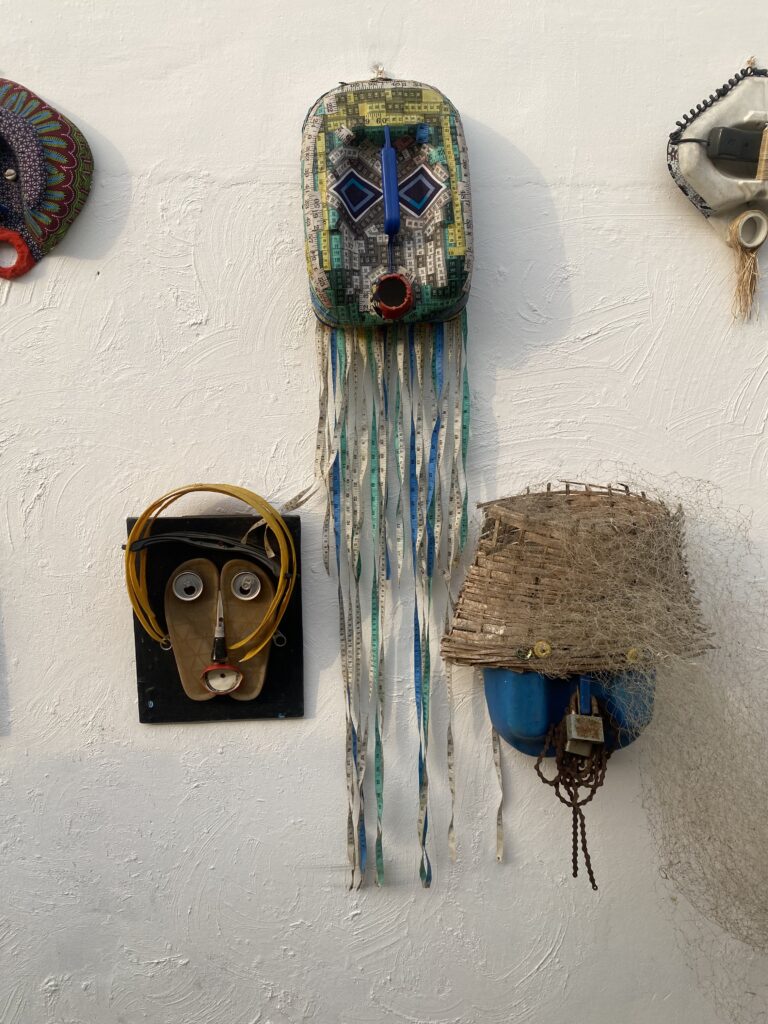

Right: El Marto’s wall art on the front facade of the centre’s building
Artists Defining Art in Togo’s Cultural Renaissance
Jean Koumy — Love, Colour, and Monumentality
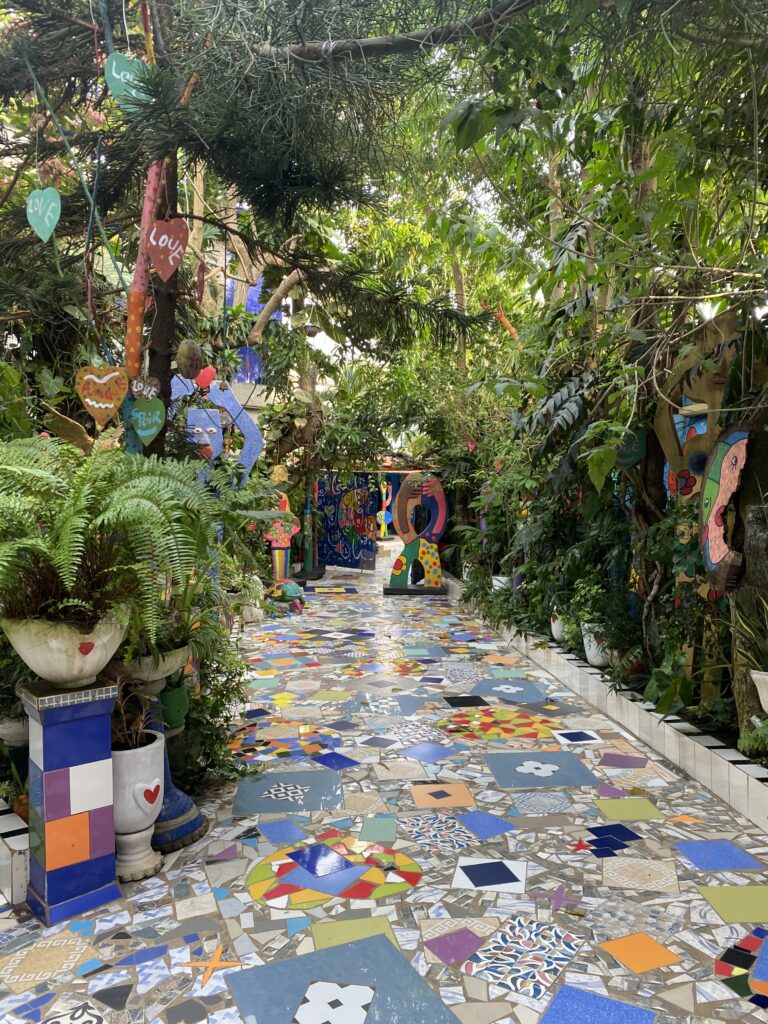
Jean Koumy is one of Togo’s most visible contemporary artists. Known for his vibrant paintings, public murals, and sculptural work, Koumy’s practice marries local narratives with bold modern forms. After nearly four decades abroad, his return to Lomé has seen ambitious public works reinforcing why Art in Togo’s cultural renaissance is as much spatial as it is conceptual. His art can be seen inside and outside the International Airport, at the entrance to the port, at the U.S. Ambassador’s home, and at twenty other locations in the city – in fact that would be a fun art-hunt activity to list as things to do in the city.
His works are rooted in the theme of love, and you’ll often see hearts in his work; it is a theme that transcends all barriers. Self-described as occupying the space between high and low, fine art and kitsch, he has christened his banal sculptures as Koumymania.
Collectors should note his works’ strong public presence and potential for further visibility at new institutional exhibitions.

Tessi Kodjovi – Sculptural Journeys in Wood and Iron
Voices like Tessi Kodjovi are integral to art in Togo’s cultural renaissance. Working primarily with wood and iron, Kodjovi’s tactile sculptures reflect material exploration grounded in personal and collective histories. While documentation is still building, the artist’s practice has been visible in local creative circles, echoing the broader momentum of the Togolese contemporary generation.
Sika Akpaloo – Light, Shadow, and Structural Play
Sika Akpaloo represents the experimental edge of art in Togo’s cultural renaissance. One set of her works uses found ties in a textile work to signify the sometimes oppressive nature of a 9 to 5 job, something to which many can relate! Akpaloo’s work has appeared in collaborative exhibitions and creative showcases that position her as a voice to watch.
For collectors, engaging with emerging practices like Akpaloo’s can provide early access to innovative exploration that bridges tradition and abstraction.
Kossi Assou – Architecture, Design, and Cultural Leadership
Kossi Assou’s multifaceted career combines design, sculpture, and arts leadership. A UNESCO-honored figure, Assou’s contributions — from founding cultural initiatives to shaping visual language through materials — underscore his centrality to Art in Togo’s cultural renaissance. His work has had a very direct impact in terms of inspiring other artists, many of whom are also featured in the “Design in West Africa: Unity in Multiplicity” exhibition at Palais de Lomé.
His practice exemplifies how artists can operate both as creators and ecosystem builders — a compelling intersection for collectors interested in cultural impact alongside artistic output.

Why Collectors Should Watch Art in Togo’s Cultural Renaissance
Emerging Markets with Institutional Backing
Togo remains a developing art market with increasing institutional momentum. Unlike more saturated markets, opportunities in Togo allow collectors to engage with artists and works at formative phases before wider global recognition — a strategic move for diversified collections.
Storytelling and Cultural Depth
The narratives embedded in Art in Togo’s cultural renaissance are rich with historical transformation, reclamation, and forward-looking dialogues. Collectors often value not just visual excellence, but the cultural narratives that underpin works — and Togo’s scene offers compelling stories.
Linking Your Collection to Broader Conservation
By using collection management tools like Capital Art, you can chronicle and map works tied to art in Togo’s cultural renaissance alongside emerging Africa-wide practices — similar to how we showcased art fairs in Marrakech or Cape Town earlier, enriching both scholarly context and market strategy.
Conclusion
Art in Togo’s cultural renaissance presents an emerging frontier for collectors ready to expand their horizons beyond established markets. With institutions like the Palais de Lomé and the Paul Ahyi Museum anchoring the scene, and artists like Jean Koumy, Tessi Kodjovi, Sika Akpaloo, and Kossi Assou pushing creative boundaries, Togo offers depth, diversity, and compelling narratives worth exploring.
Whether informed by historical legacy or contemporary experimentation, the Togolese art ecosystem is ripe with stories and works that can meaningfully enrich both your understanding and your collection.