
For many new collectors, buying an artwork begins with an emotional connection. Perhaps a painting reminds them of a childhood memory, a sculpture resonates with their values, or they simply fall in love with an artist’s technique. But beyond the artwork itself lies another story that can be just as important: its history. This history is known as artwork provenance, and it can significantly influence an artwork’s authenticity, value, insurability and future saleability.
Whether you are purchasing your first artwork or managing a growing collection, understanding provenance is an essential part of responsible collecting.
What is artwork provenance?
Simply put, artwork provenance is the documented history of an artwork’s ownership and movement over time.
A provenance record may include:
- the artist who created the work
- the date it was made
- previous owners
- galleries that have represented the work
- exhibitions in which it has appeared
- auction sales
- publications in which it has been reproduced
- conservation or restoration records
Think of provenance as an artwork’s biography. Just as a person’s life story provides context for who they are, provenance helps establish an artwork’s identity and place within art history.
What artwork provenance isn’t
Understanding what provenance isn’t is just as important as understanding what it is.
Provenance is not the same as a certificate of authenticity. A certificate of authenticity confirms that an artwork is believed to be genuine, usually by the artist, artist’s estate or an authorised expert. Provenance, by contrast, documents the artwork’s ownership and history over time. The two complement each other but serve different purposes.
Provenance is not a valuation. While a strong provenance can contribute to an artwork’s market value, it does not determine its monetary worth. Factors such as an artist’s market, condition, rarity and demand also influence value.
Provenance is not a guarantee of authenticity. Although a well-documented ownership history can strengthen confidence in an artwork, provenance should be considered alongside expert opinions, technical analysis and other supporting documentation.
Understanding these distinctions helps collectors make more informed decisions and appreciate why provenance forms one important part of an artwork’s overall documentation.
Why artwork provenance matters
It helps establish authenticity
One of the primary purposes of artwork provenance is to support authenticity.
While provenance alone does not guarantee that an artwork is genuine, a well-documented ownership history can provide confidence that the work is what it claims to be. There are numerous stories of artworks withdrawn from auctions due to provenance concerns such as authenticity concerns, connections to disgraced dealers, or that they might have been improperly acquired, including in illicit trade.
Collectors should always remember that provenance complements, not replaces, other forms of due diligence, such as expert opinions, certificates of authenticity and technical examination.
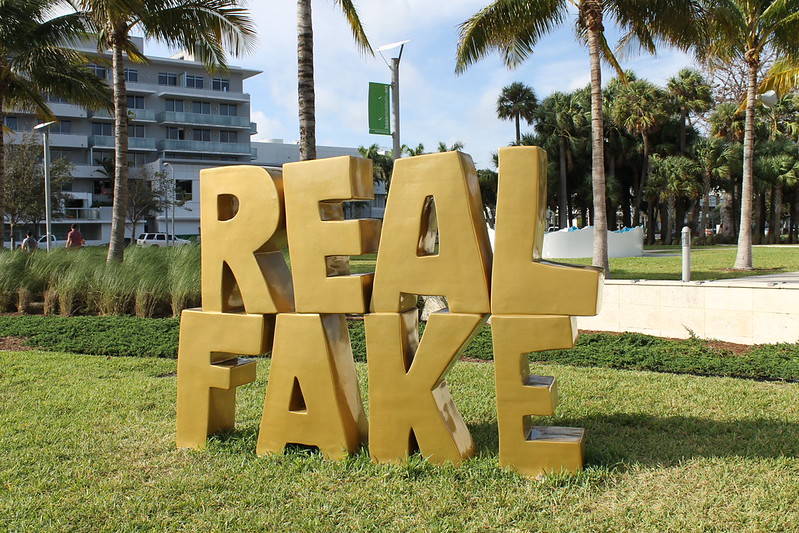
It protects the artwork’s value
In the art market, documentation matters.
Two seemingly identical artworks by the same artist may achieve very different prices depending on how thoroughly their histories are documented.
Collectors, auction houses and museums are generally willing to place greater confidence in works that have clear provenance, reducing uncertainty for future buyers.
Conversely, significant gaps in ownership history may raise questions that affect an artwork’s marketability.
It simplifies insurance and valuation
Professional valuers and specialist insurers often request documentation relating to provenance when assessing an artwork.
Ownership records, purchase invoices and exhibition history help demonstrate both the significance and legitimacy of a work, making valuations more robust and insurance applications smoother.
As your collection grows, organised provenance records become increasingly valuable.
How artwork provenance preserves cultural history
Artwork provenance does more than protect financial value. It documents how artworks move through collections, exhibitions and institutions, helping researchers understand artistic movements, collecting practices and cultural exchange.
For collectors of art from under-represented regions in the global art market in particular, preserving provenance contributes to recording the their artistic heritage for future generations.
What documents should collectors keep?
Many collectors underestimate how much documentation should accompany an artwork. Ideally, you should retain copies of:
- purchase invoices
- certificates of authenticity
- artist biographies
- gallery catalogues
- exhibition invitations and catalogues
- auction catalogues
- valuation reports
- conservation reports
- installation photographs
- correspondence relating to the acquisition
Keep these beyond your ownership of the artwork to contribute to provenance investigations which might be conducted after you’ve sold or donated the artwork, or even if it was stolen or destroyed by some other peril. Even seemingly minor documents can become valuable years later, especially if an artwork changes hands or is loaned to an exhibition.
Artwork provenance is built over time
One common misconception is that provenance exists only at the moment of purchase. In reality, provenance continues to grow throughout an artwork’s life.
For example, after acquiring an artwork, you may later:
- lend it to a museum exhibition
- have it professionally conserved
- commission a valuation
- publish it in a catalogue
- include it in a family collection that passes to future generations
Each of these events becomes another chapter in the artwork’s documented history. In a world where gallery closures and museum defunding is leading to closures as well, this means the records of artist museum acquisitions, press and exhibitions is tenuous and at risk. Collectors therefore can play an active role in building and maintaining provenance, not merely preserving it.
Digital collection management makes provenance easier
Historically, provenance records were often stored in filing cabinets, envelopes or scattered across email inboxes. Today, digital collection management offers a more secure and accessible alternative.
Maintaining digital records allows collectors to keep photographs, invoices, certificates, valuations and exhibition histories together in one place. This reduces the risk of important documents being misplaced and makes information easier to retrieve when arranging insurance, seeking valuations or preparing an artwork for sale or exhibition.
Platforms such as Capital Art’s collection management software are designed to help collectors organise these records according to recognised collection management practices, ensuring important provenance information remains readily available as collections grow.
Questions to ask before purchasing an artwork
Whether buying from a gallery, directly from an artist or at auction, collectors should consider asking:
- Can the seller provide a certificate of authenticity?
- Is there a documented ownership history?
- Has the artwork been exhibited?
- Has it appeared in any publications?
- Are there conservation records?
- Is the artwork signed and dated?
- Are high-resolution images available?
- Will I receive all supporting documentation at the time of purchase?
These questions demonstrate good collecting practice and help ensure that important provenance information is preserved from the outset.
Provenance benefits future generations
Many collectors view themselves not simply as owners but as custodians. The decisions made today, carefully documenting acquisitions, preserving records and maintaining organised collection information, can make life significantly easier for future family members, museums, researchers and buyers.
Strong provenance allows an artwork’s story to continue alongside the object itself, ensuring its cultural and financial significance is not lost over time.
Final thoughts
An artwork’s beauty may inspire us to acquire it, but its history helps secure its future. Understanding artwork provenance enables collectors to make more informed purchasing decisions, protect the long-term value of their collections and contribute to preserving artistic heritage.
Whether your collection consists of a handful of works or hundreds, taking the time to organise provenance records is an investment in the artworks themselves, and in the stories they carry.